Mastering Dopamine Management for Focus and Motivation
Navigate the dopamine landscape to boost productivity without crashing your brain's reward system.
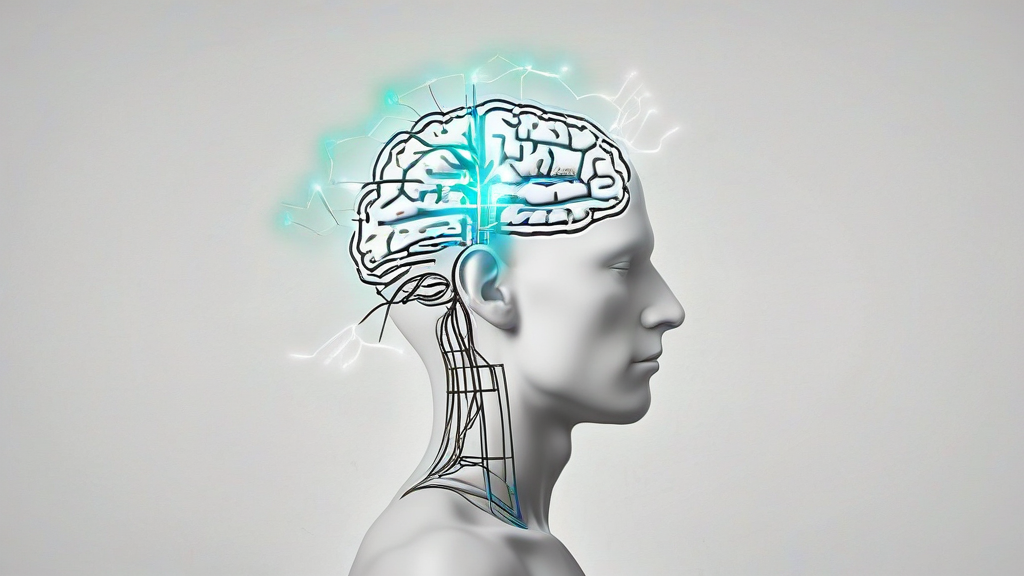
Mastering Dopamine Management for Focus and Motivation
In the modern world, we are living in a constant state of “dopamine overload.” From the infinite scroll of social media to the ping of a new email, our brains are being bombarded with signals that trigger the release of dopamine. While we often think of dopamine as the “pleasure chemical,” it’s actually much more accurate to describe it as the “molecule of more.” It’s about anticipation, craving, and the drive to seek out rewards. When managed correctly, dopamine is your greatest ally for focus and productivity. When mismanaged, it leads to burnout, procrastination, and a shattered attention span. Let’s explore how you can master your dopamine levels to reclaim your motivation.
What Is Dopamine, Really?
Dopamine is a neurotransmitter that plays a central role in the brain’s reward system. Its primary job is to encourage you to engage in behaviors that promote survival and reproduction. In our ancestors, this meant finding food, shelter, and mates. Today, however, our reward systems are being “hijacked” by digital environments designed specifically to keep us clicking.
The key thing to understand is that dopamine has a baseline. When you experience something rewarding, your dopamine spikes above that baseline. However, after every spike, there is a corresponding dip below the baseline. If you constantly trigger big spikes (think TikTok marathons or junk food binges), your baseline eventually starts to drop to compensate. This is why things that used to be exciting eventually feel dull—a phenomenon known as tolerance.
The Dopamine Baseline: Why You Feel “Blah”
If you feel like you lack motivation even for things you enjoy, you might be suffering from a low dopamine baseline. When your baseline is low, you lack the “drive” to start tasks. You feel a sense of lethargy and brain fog.
The goal of dopamine management is not to eliminate dopamine spikes altogether—that would be a very boring life—but to maintain a healthy, high baseline. You want to avoid the “cheap” dopamine that comes from passive consumption and instead focus on “earned” dopamine that comes from effortful achievement.
Differentiating Between “Cheap” and “Earned” Dopamine
Not all dopamine hits are created equal.
- Cheap Dopamine: This comes from activities that require zero effort but provide immediate reward. Examples include social media scrolling, video games, sugary snacks, and online shopping. Because the reward is so high relative to the effort, the subsequent dip is often deeper and more painful.
- Earned Dopamine: This comes from activities that require effort, discomfort, or focus before the reward is felt. Examples include exercise, completing a difficult work task, learning a new skill, or even taking a cold shower. Because these activities involve a “friction” period, the dopamine release is more gradual and the baseline stays more stable.
Strategies for Regulating Your Reward System
Mastering your dopamine requires a mix of environmental design and behavioral changes. Here are some of the most effective strategies:
1. The Dopamine Fast (or “Digital Detox”)
While the term “dopamine fasting” is a bit of a misnomer (you can’t actually fast from a neurotransmitter your body produces), the concept is sound. By intentionally removing high-stimulation triggers for a set period (like a weekend), you allow your dopamine receptors to reset. This makes simple pleasures—like reading a book or going for a walk—feel rewarding again.
2. Delay the Reward
One of the most powerful ways to strengthen your focus is to practice delayed gratification. If you have a craving for a snack or want to check your phone, set a timer for 10 minutes and wait. This small act of resistance trains your prefrontal cortex to overrule the impulsive part of your brain, keeping your dopamine levels in check.
3. Focus on the Process, Not Just the Goal
If you only get a dopamine hit when you finish a project, you’ll struggle through the “middle part.” Instead, try to find reward in the effort itself. Scientists call this “intrinsic motivation.” By telling yourself that the hard work is the fun part, you can actually release dopamine during the struggle, which sustains your energy for much longer.
4. Optimize Your Morning
Your dopamine levels are naturally highest in the morning. Don’t waste this precious window on low-value tasks like checking news or social media. By starting your day with a “difficult” task (often called “eating the frog”), you set a high baseline for the rest of the day.
The Role of Lifestyle in Dopamine Health
Your biology provides the foundation for your neurochemistry. You can’t out-hack a poor lifestyle.
- Sleep: Sleep deprivation significantly reduces the availability of dopamine receptors in the brain. If you’re tired, you’ll naturally crave cheap dopamine to keep yourself awake.
- Tyrosine-Rich Foods: Tyrosine is the amino acid precursor to dopamine. Foods like eggs, beef, almonds, avocados, and bananas provide the raw materials your brain needs to produce it.
- Sunlight Exposure: Morning sunlight triggers the release of dopamine and helps regulate your circadian rhythm, which in turn stabilizes your neurotransmitters.
- Exercise: Physical activity not only increases dopamine but also boosts the number of dopamine receptors, making your brain more sensitive to the dopamine you already have.
Beware the Multi-Layering of Dopamine
A common mistake is “stacking” dopamine triggers. For example, listening to a podcast while scrolling social media while eating a snack. This creates a massive spike that leads to an equally massive crash. Try to practice “monotasking”—do one thing at a time and experience the reward of that single activity.
Conclusion: Reclaiming Your Drive
Motivation isn’t something you either have or don’t have; it’s a biological state that you can influence. By understanding the mechanics of dopamine—the spikes, the dips, and the baseline—you can stop being a slave to your impulses and start using your brain’s reward system to build the life you want. Master the art of the “effort-reward” cycle, protect your baseline, and you’ll find that focus and motivation become your natural state rather than a fleeting feeling.