Optimizing Mitochondrial Health: The Power of CoQ10, PQQ, and Metabolic Flexibility
Learn how to fuel your cellular power plants for boundless energy and long-term metabolic health.
Optimizing Mitochondrial Health: The Power of CoQ10, PQQ, and Metabolic Flexibility
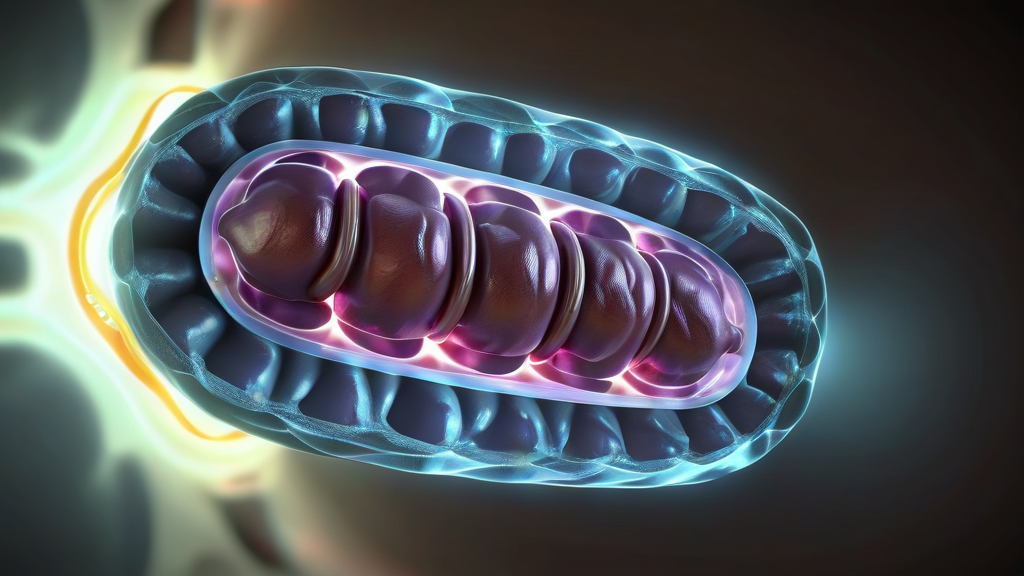
When we talk about health, we often focus on the “big” things: our weight, our heart rate, or how much we can bench press. But if we really want to understand the foundation of vitality, we need to look much, much smaller. We need to look inside our cells, specifically at the mitochondria. You might remember them from high school biology as the “powerhouse of the cell,” but that simple nickname doesn’t quite do justice to their massive role in how we feel, age, and function every single day.
Mitochondrial health is the literal engine of your existence. When these tiny organelles are humming along efficiently, you have abundant energy, a sharp mind, and a resilient metabolism. When they start to sputter, you feel it as brain fog, chronic fatigue, and a metabolic “sluggishness” that makes it harder to maintain a healthy weight. The good news? Your mitochondria are incredibly responsive to how you treat them. By focusing on key nutrients like CoQ10 and PQQ, and practicing metabolic flexibility, you can essentially “tune up” your cellular engines.
Why Mitochondria Are More Than Just Energy Producers
While it’s true that mitochondria produce the vast majority of our ATP (adenosine triphosphate), the body’s primary energy currency, their role is far more nuanced. They are actually sophisticated sensors that communicate with the rest of the cell. They help regulate cell death (apoptosis), produce heat, and even play a role in synthesizing hormones like testosterone and estrogen.
Think of your mitochondria as a hybrid engine in a high-performance car. They can switch between fuel sources, they need regular maintenance, and they produce “exhaust” in the form of reactive oxygen species (ROS). If that exhaust builds up because the engine isn’t running cleanly, it causes oxidative stress, which damages the mitochondria themselves. This creates a downward spiral where damaged mitochondria produce less energy and more exhaust, leading to what scientists call mitochondrial dysfunction—a hallmark of aging and chronic disease.
The Role of Coenzyme Q10 (CoQ10) in Cellular Respiration
If the mitochondria are the engine, CoQ10 is the essential spark plug. It lives inside the inner mitochondrial membrane and plays a critical role in the electron transport chain—the final stage of ATP production. Without enough CoQ10, the process of turning the food you eat into energy literally grinds to a halt.
But CoQ10 wears two hats. In addition to its role in energy production, it is one of the most potent antioxidants in the body. Because mitochondria produce so many free radicals during their normal operation, they need a “built-in” antioxidant to neutralize them on the spot. CoQ10 does exactly that, protecting the delicate mitochondrial DNA from damage.
As we age, our natural production of CoQ10 starts to decline. Furthermore, certain medications—most notably statins—can drastically lower CoQ10 levels because they block the same pathway used to produce it. This is why many people on statins report muscle aches and fatigue; their cellular “spark plugs” are being suppressed. Supplementing with the “ubiquinol” form (the active, antioxidant version) is often recommended to support energy levels and cardiovascular health.
PQQ: The Architect of Mitochondrial Biogenesis
While CoQ10 helps the mitochondria you have work better, PQQ (Pyrroloquinoline quinone) does something even more remarkable: it helps you grow new ones. This process is known as mitochondrial biogenesis.
Imagine you have an old factory with five outdated machines. CoQ10 helps those five machines run as efficiently as possible. PQQ, on the other hand, tells the factory manager to build ten brand-new, high-efficiency machines. By increasing the sheer number of mitochondria in your cells, PQQ effectively raises your “energy ceiling.”
PQQ is also a neuroprotective powerhouse. It stimulates the production of Nerve Growth Factor (NGF), which helps repair and protect neurons in the brain. This makes it a popular “nootropic” for those looking to improve cognitive function while simultaneously supporting their metabolic health. You can find small amounts of PQQ in foods like parsley, green peppers, and kiwi, but the levels used in clinical studies are typically achieved through supplementation.
Metabolic Flexibility: Teaching Your Mitochondria to Switch Gears
The third pillar of mitochondrial health isn’t a supplement—it’s a state of being. Metabolic flexibility is the ability of your body to efficiently switch between burning carbohydrates (glucose) and burning fat (fatty acids/ketones) for fuel.
In our modern world of constant snacking and high-carb diets, many people have lost this flexibility. They are “sugar burners,” meaning their mitochondria are essentially stuck in one gear. When their blood sugar drops, they experience “hangry” feelings, energy crashes, and brain fog because their cells don’t know how to tap into their stored body fat for energy.
To improve metabolic flexibility, you have to challenge your mitochondria. Intermittent fasting is one of the most effective ways to do this. By extending the period between meals, you force your body to use up its glucose stores and start oxidizing fat. Cold exposure and high-intensity interval training (HIIT) also push the mitochondria to become more efficient at fuel switching. When you are metabolically flexible, your energy remains stable throughout the day, regardless of when you last ate.
Feeding Your “Powerhouses”: Nutritional Strategies
Beyond CoQ10 and PQQ, several other nutrients act as “cofactors” for mitochondrial function. B vitamins, particularly B2 (riboflavin) and B3 (niacin), are essential for the chemical reactions that occur within the mitochondria. Magnesium is another “must-have,” as ATP must be bound to a magnesium ion to be biologically active.
Alpha-lipoic acid (ALA) and L-carnitine are also worth mentioning. L-carnitine acts as a shuttle, carrying fatty acids into the mitochondria so they can be burned for fuel. ALA is a unique antioxidant that can work in both water-soluble and fat-soluble environments, providing a broad shield for cellular health. A diet rich in leafy greens, grass-fed meats, wild-caught fish, and colorful vegetables provides the foundation, but targeted supplementation can bridge the gap for those dealing with high stress or age-related energy decline.
The Lifestyle Habits That Support Cellular Vitality
You can take all the supplements in the world, but if your lifestyle is actively damaging your mitochondria, you’ll be swimming upstream. Sleep is perhaps the most underrated mitochondrial support tool. During deep sleep, the brain’s glymphatic system flushes out metabolic waste, and the mitochondria undergo a process of “mitophagy”—where old, damaged mitochondria are recycled to make room for healthy ones.
Exercise is another non-negotiable. Endurance training increases the number of mitochondria, while high-intensity training improves the efficiency of the ones you have. Even simple movement like walking after a meal helps manage blood sugar spikes, preventing the “overloading” of the mitochondrial engine that leads to oxidative stress.
Finally, managing chronic stress is vital. Stress hormones like cortisol can, over time, impair mitochondrial function. Finding a daily practice that signals “safety” to your nervous system—whether that’s meditation, breathwork, or spending time in nature—protects your cellular engines from being burnt out by the “fight or flight” response.
Conclusion: Building a Resilient Future from the Inside Out
Optimizing your mitochondrial health isn’t about a quick fix or a magic pill. It’s about understanding that your vitality is a reflection of the health of your smallest components. By providing the right “parts” like CoQ10 and PQQ, training your system for metabolic flexibility, and supporting your body with sound lifestyle habits, you aren’t just boosting your energy for today. You are investing in your long-term health span.
When your mitochondria are strong, you are more resilient to stress, more protected against the diseases of aging, and more capable of showing up fully in your life. Start small—maybe with a daily walk or a new supplement—and listen to your body. As your cellular engines start to hum, you’ll likely find that everything else in your life starts running a little smoother, too.