The Deep Dive into Autophagy Science: How to Trigger Your Body’s Natural Cellular Cleanup
Explore the fascinating world of autophagy and how you can harness it for longevity and disease prevention.
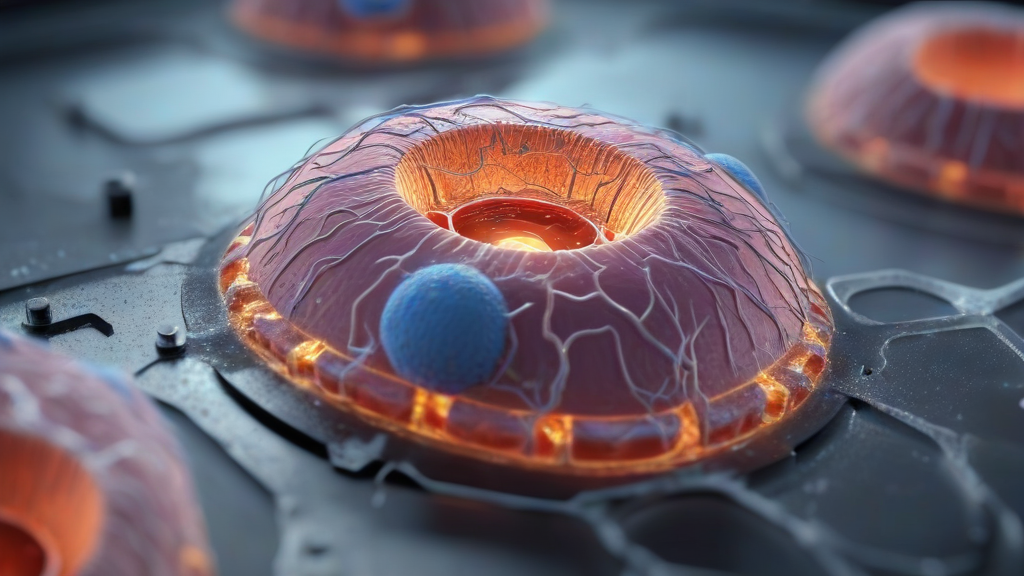
The Deep Dive into Autophagy Science: How to Trigger Your Body’s Natural Cellular Cleanup
In the quest for longevity and optimal health, we often look for new things to add to our lives—more supplements, more superfoods, more exercise. But some of the most profound health benefits come not from adding, but from a biological process of taking away. This process is called autophagy. Derived from the Greek words “auto” (self) and “phagy” (eating), it literally translates to “self-eating.”
While that might sound a bit morbid at first, autophagy is actually one of the most elegant and essential survival mechanisms in the human body. It is your body’s internal recycling program, a way for your cells to identify damaged components, break them down, and use the raw materials to build new, healthy structures. By understanding the science of autophagy and learning how to trigger it safely, you can essentially help your body perform a deep “spring cleaning” at the cellular level.
The Science of the “Cellular Garbage Disposal”
To understand autophagy, imagine your cell as a busy kitchen. Over time, dishes get chipped, towels get frayed, and scraps of food accumulate in the corners. If you never clean the kitchen, it eventually becomes dysfunctional and inefficient. Autophagy is the nightly cleaning crew that comes in to scrub the floors, recycle the broken dishes, and clear out the waste.
At the heart of this process is an organelle called the lysosome. Think of it as the cellular stomach or garbage disposal. During autophagy, the cell identifies damaged proteins, old organelles (like worn-out mitochondria), and even invading pathogens. It wraps these components in a double-membrane structure called an autophagosome. This “trash bag” then fuses with a lysosome, whose acidic enzymes break the contents down into their basic building blocks—amino acids, fatty acids, and sugars. These are then released back into the cell to be reused for energy or to build new cellular parts.
This process was so revolutionary to our understanding of biology that the 2016 Nobel Prize in Physiology or Medicine was awarded to Yoshinori Ohsumi for his discoveries of the mechanisms for autophagy.
Why Does Autophagy Matter?
Why should you care about your cells “eating” themselves? Because the accumulation of cellular “junk” is one of the primary drivers of aging and chronic disease. Damaged proteins that aren’t cleared out can clump together, a hallmark of neurodegenerative diseases like Alzheimer’s and Parkinson’s. Inefficient mitochondria can leak free radicals, causing oxidative stress and DNA damage.
By maintaining high levels of “autophagic flux” (the rate at which this recycling happens), you support several key areas of health: 1. Longevity: By removing the “senescent” or “zombie” components that drive aging, autophagy helps keep tissues youthful and functional. 2. Brain Health: Autophagy is critical for clearing out the amyloid-beta plaques and tau proteins associated with cognitive decline. 3. Immune Function: Autophagy helps the immune system identify and destroy intracellular pathogens like viruses and bacteria. 4. Metabolic Health: It helps regulate insulin sensitivity and can protect against the development of type 2 diabetes by maintaining healthy pancreatic cells.
The mTOR vs. AMPK Tug-of-War
Autophagy isn’t always “on.” It is regulated by a sophisticated nutrient-sensing system in the body, primarily governed by two opposing proteins: mTOR and AMPK.
mTOR (Mammalian Target of Rapamycin) is the body’s primary “growth” switch. When you eat, especially protein and carbohydrates, mTOR is activated. It tells your cells to build, grow, and divide. When mTOR is high, autophagy is suppressed. You can’t be in “build mode” and “cleanup mode” at the same time.
AMPK (Adenosine Monophosphate-activated Protein Kinase) is the body’s “energy sensor.” It is activated when cellular energy is low—such as during fasting or intense exercise. AMPK is the primary trigger for autophagy. It signals to the cell that it needs to find internal sources of energy, prompting it to start breaking down old parts for fuel.
For optimal health, you want a balance between these two. You need mTOR to build muscle and repair tissues, but you also need regular periods of AMPK activation to clear out the cellular debris.
How to Trigger Autophagy: Fasting and Beyond
The most potent and well-known trigger for autophagy is fasting. When you stop consuming calories, your insulin levels drop, and your AMPK levels rise. After about 16 to 24 hours of fasting, the body significantly ramps up the autophagic process.
However, “intermittent fasting” (the popular 16:8 method) may provide some baseline benefits, but deeper autophagy typically requires longer fasts of 24 to 72 hours. Note: Long-term fasting should always be done under medical supervision, especially for those with underlying health conditions.
If long-duration fasting isn’t for you, there are other ways to stimulate this cellular cleanup:
1. Exercise (Especially Intensity)
Physical activity is a powerful trigger for autophagy, particularly in the muscles and the brain. High-Intensity Interval Training (HIIT) and resistance training create a temporary energy deficit and cellular stress that activates AMPK. Interestingly, the “soreness” you feel after a workout is partly the signal for your body to initiate cleanup and repair.
2. The Ketogenic Diet
By drastically reducing carbohydrates, a ketogenic diet mimics the metabolic state of fasting. When your body switches to burning fat and producing ketones, insulin stays low, which can help keep the autophagic pathways primed even while you are consuming calories (provided you aren’t overdoing the protein, which can trigger mTOR).
3. Deep Sleep
Research suggests that autophagy may follow a circadian rhythm. During deep, restorative sleep, the brain’s glymphatic system is most active, and cellular repair processes are at their peak. Poor sleep quality can significantly impair the body’s ability to perform its nightly cleanup.
“Autophagy Mimetic” Nutrients
While nothing replaces the potency of fasting and exercise, certain compounds found in nature have been shown to help “nudge” the body into an autophagic state. These are often called autophagy mimetics.
- Spermidine: Found in wheat germ, aged cheese, and mushrooms, spermidine is one of the most studied compounds for its ability to induce autophagy and support longevity.
- Resveratrol: Found in the skin of red grapes, this polyphenol activates sirtuins, which are longevity-linked proteins that work closely with the autophagic machinery.
- Curcumin: The active compound in turmeric has been shown to support autophagy, particularly in the brain and joint tissues.
- Green Tea (EGCG): The polyphenols in green tea can help activate AMPK and support cellular recycling.
Finding the Sweet Spot: The Risks of Over-Activation
Like everything in biology, more isn’t always better. While “too little” autophagy leads to the accumulation of waste and accelerated aging, “too much” autophagy can also be problematic. In extreme cases, if the cell “eats” too much of itself, it can lead to unintended cell death or muscle wasting. This is why periods of “refeeding” and growth are just as important as periods of fasting and cleanup. The goal is metabolic flexibility—the ability to cycle seamlessly between building and cleaning.
Conclusion: Empowering Your Internal Cleaning Crew
Autophagy is a powerful reminder that our bodies are designed for resilience. We have a built-in mechanism for renewal, a way to turn back the clock at a cellular level. By incorporating regular periods of fasting, staying physically active, prioritizing sleep, and perhaps including some autophagic-supportive nutrients, you can help your “internal cleaning crew” do their best work.
The next time you skip a meal or push yourself through a tough workout, don’t just think about the calories. Think about the elegant, invisible process happening inside your cells—the clearing of the old, the recycling of the damaged, and the quiet, steady work of building a healthier, more vibrant you from the inside out.